
One of the most common questions I hear as a vegan and a nutritionist is: "Don't you worry about protein?" It's a fair question, I guess. Protein is important - the word comes from the Greek proteios, meaning "primary" or "of first importance." The good news is that it's completely possible to meet your protein needs on a plant-based diet. With some planning and know-how.
In this guide, I'll explain what protein is, how much protein you might need, recommend some great plant-based sources, and offer simple ways to include more protein in your everyday meals. Eating well doesn't have to be complicated.
Nutritionist's note: While I have a Grad Diploma in Human Nutrition, this article is for general educational purposes and isn't intended as personal medical or dietary advice. Everyone's health needs are different, so speak with your healthcare professional before making significant dietary changes.

Email Me This Post
Jump to:
- Plant Protein at a Glance
- What is Protein?
- Essential and Non-Essential Amino Acids
- Do Vegans Get Enough Protein?
- How Much Protein Do You Need?
- What About Protein for Healthy Ageing?
- What Are The Best Sources of Plant Protein?
- Do You Need to Combine Proteins?
- Put it Into Practice
- Plant-protein Hacks
- The Bottom Line
- FAQs
- References and Additional Reading
- Leave a Comment
Plant Protein at a Glance
What is Protein?
Protein is one of three macronutrients the body requires in relatively large amounts, alongside carbohydrates and fats. While it can provide energy, protein's primary role is as a builder. Whenever your body is growing, repairing, or replacing tissue, protein is doing a lot of heavy lifting behind the scenes.
It helps build and maintain muscle, produces enzymes and hormones, supports a healthy immune system, repairs tissues, assists with blood sugar regulation, and keeps you feeling satisfied after meals. In short, protein is involved in almost every important function in the body. Let's just say it's kept pretty busy.
Proteins are made up of smaller units called amino acids. There are 20 amino acids used to build proteins in the human body and they occur in different amounts and combinations depending on the protein.
Essential and Non-Essential Amino Acids
Your clever body can make eleven of the twenty amino acids itself, these are called non-essential amino acids. The remaining nine amino acids are either unable to be synthesised at all by the human body or the rate of synthesis is so low that it can't support the body's needs. These remaining nine must come from food, which is why they're known as essential amino acids.
Do Vegans Get Enough Protein?
If you are active on Instagram and TikTok you might be forgiven for thinking that you are on the cusp of withering away from protein deficiency. Protein is currently starring in its own reality show and the lead characters are at the hair pulling stage. To be honest, I'd rather we talk about fibre, but here we are joining the conversation. But we will talk about fibre.
Not sure how to get enough fibre or iron in your diet? Read my complete guide to all things fibre to help increase your fibre intake gently. Or my guide to improving iron intake on a plant-based diet.
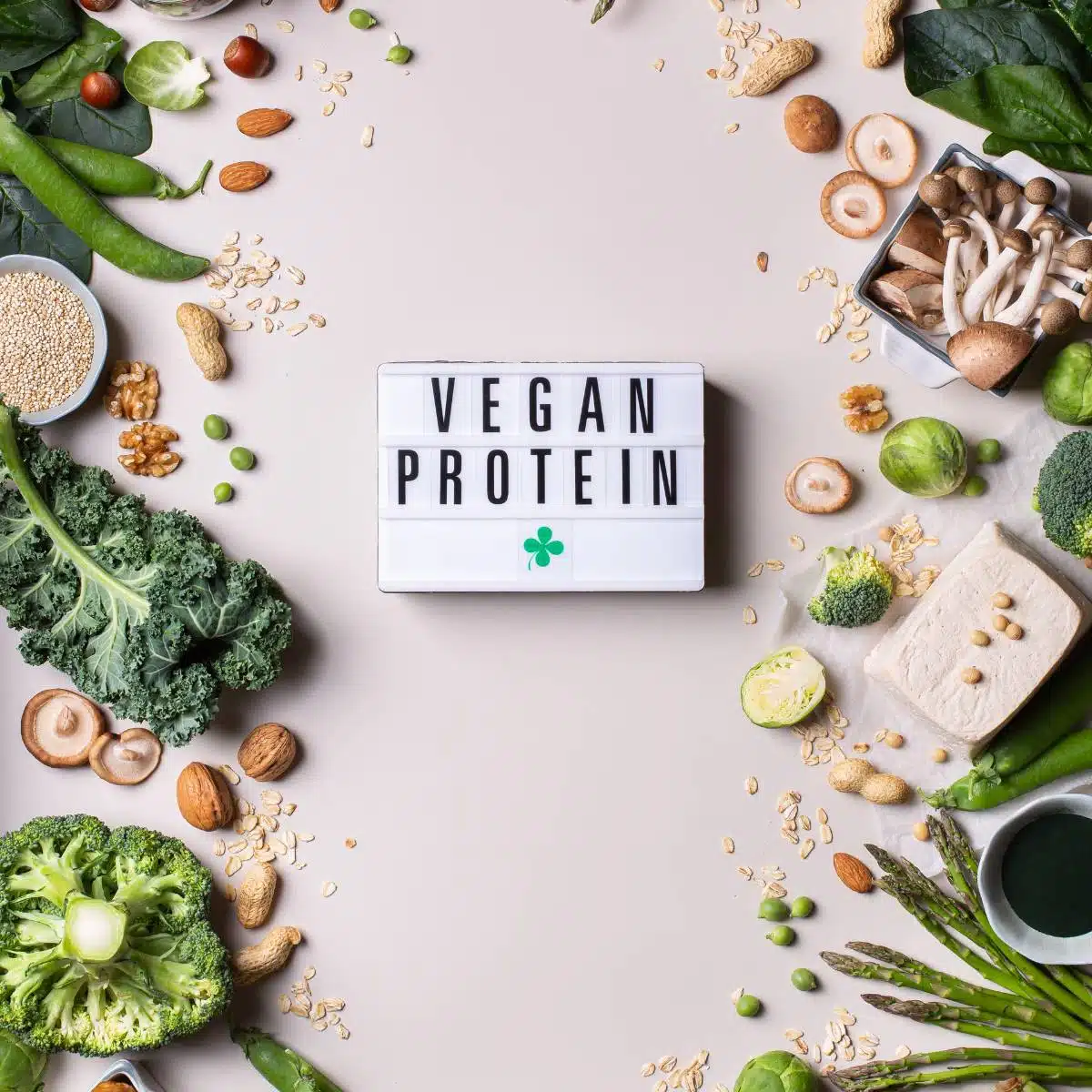
Do Plants Provide "Complete Protein"?
You may have heard that only a few plant-based foods are complete proteins (that is, they provide all nine essential amino acids in amounts that meet human requirements). While it's true only some plant foods are classified as complete proteins, virtually all plant foods contain all nine essential amino acids. The difference is that some amino acids occur in lower amounts than others. A varied plant-based diet provides all essential amino acids over the course of the day.
Animal vs Plant-protein and Bioavailability
You may also have heard the term "bioavailability." This refers to the proportion of a nutrient that is absorbed and available for the body to use. Protein from many whole plant foods is somewhat less digestible than protein from animal foods, although the difference varies depending on the food. In general, digestibility is estimated at around 80-90% for many whole plant proteins compared to over 90% for animal proteins. Eating a variety of plant protein sources helps ensure adequate intake of both total protein and essential amino acids
A balanced plant-based diet that includes legumes, soy foods, seitan, whole grains, nuts, and seeds can provide all the protein your body needs. Even your vegetables contain levels of protein! An achievable way to do this is to make sure each meal (including snacks) contain protein to support your goals, whether that's maintaining muscle, staying fuller for longer, weight loss, or supporting healthy ageing.
How Much Protein Do You Need?
Protein requirements vary depending on age, activity levels, health status, and personal goals.
General daily recommendations for adults suggest:
There is no one-size-fits-all when it comes to protein intake. For example:
My take on this is simple. If you are not sedentary, that is you participate in mild to moderate exercise, aiming for above RDI (0.8g per kg) will support your body. If you are heavily active and are trying to build mucho muscle, aim for the higher end of the range.
What About Protein for Healthy Ageing?
As we get older, maintaining muscle mass becomes increasingly important. This was explained to me at university in a way that hit...muscle mass in the elderly is the difference between getting out of a chair yourself or needing help to get out of the chair. I want to get out of the chair myself.
Research suggests older adults aim for 1.0-1.2g of protein per kg per day. Active older adults may benefit from >1.2g/kg.
Individuals with kidney issues should not increase protein intake without consulting a specialist.

Including protein-rich foods at each meal can help support strength, mobility, and overall health. For adults over 50, focusing on both total protein intake and regular resistance exercise is necessary. I aim for 1.0-1.3g of protein per kg of body weight per day and just bought an inexpensive set of weights that I lift 2-to-3 times a week. Having said that, there is plenty you can do without spending money. Walking up hills is resistance, walking in water is resistance, and there are plenty of exercises online that use your own body weight as resistance...it's all helpful and relevant.
Plant proteins can absolutely play a role in healthy ageing when meals are balanced and varied.
What Are The Best Sources of Plant Protein?
Best Sources of Plant-Protein per 100g
| Food Source (100g) | Protein (g) | Fibre (g) |
|---|---|---|
| TVP Textured Vegetable Protein) | 50 | 16-17 |
| Nutritional Yeast | 47 | 20 |
| Hemp Seeds (hulled) | 31.6 | 4 |
| Pumpkin Seeds (shelled) | 30 | 6.5 |
| Peanuts | 26 | 8.5 |
| Seitan | 22-25 | - |
| Chickpea flour (besan) | 22 | 10.8 |
| Almonds (raw) | 21.5 | 10.8 |
| Sesame Seeds | 20.5 | 11.6 |
| Tempeh (cooked) | 20 | 7 |
| Sunflower Seeds | 19 | 7 |
| Flaxseeds | 18 | 23 |
| Cashews (raw) | 17 | 4 |
| Chia Seeds | 17 | 34 |
| Extra Firm Tofu | 16 | 3 |
| Whole Wheat Flour | 15 | 10.6 |
| Walnuts | 15 | 5 |
| Hazelnuts | 14 | 8 |
| Brazil Nuts* | 14 | 7 |
| Mycoprotein (Quorn) | 13 (approximate) | 7 |
| Edamame (cooked) | 12 | 5 |
| Buckwheat Flour | 9 | 10.35 |
| Lentils (red), cooked | 9 | 8 |
| Black beans (cooked) | 8 | 10 |
| Kidney beans (cooked) | 8 | 5 |
| Chickpeas (cooked) | 7 | 6 |
| Green peas (cooked) | 5 | 4.8 |
| Quinoa (cooked) | 4.4 | 2.8 |
| Brussels sprouts (raw) | 3.4 | 4.10 |
| Buckwheat (cooked) | 3.4 | 2.7 |
| Broccoli (cooked) | 2.4 | 3.3 |
*Brazil nuts are rich in selenium and overconsumption may lead to selenium toxicity (selenosis). It is recommended adults only consume up to 3 Brazil nuts per day.
Textured Vegetable Protein (TVP)
TVP, or Textured Vegetable Protein (Soy) is a great source of protein that has been around for decades, despite its recent popularity. Made from mostly defatted soy flour and put through a specialised pressure cooker and extrusion procession, TVP is made into a dehydrated, shelf-stable product available in curls, chunks, and mince.
In its dry state, TVP has a pretty neutral flavour but absorbs any stocks, spices and marinade it is rehydrated in. Because it is good at replicating the "chew" of ground meat, it is a staple in plant-based cooking. Cooking tip: flavour the rehydration liquid heavily to get optimal flavour from the TVP.
TVP is perfect for cooking hearty comfort foods like my big batch bolognese sauce, vegan chilli, tacos and pies.
Seitan
If you need a break from tofu (but who ever needs a break from tofu?), seitan might be your next food crush. Made form wheat gluten, seitan is one of the most protein-dense plant foods around providing around 20-29g of protein per 100g.
It has a hearty, chewy texture that is a little "meaty" or "meat-esque", making it a staple in stir-fries, curries, roasts and wraps. While it's not suitable for people with coeliac disease or gluten intolerance, seitan can be a simple way to add a substantial protein boost to vegan meals.
Beans and Legumes
Beans, lentils, and chickpeas are nutritionally dense foods. They're rich in protein, fibre, iron, and complex carbohydrates. Plus, legumes contribute to your five-a-day; the recommended servings (75g) of vegetables each day in Australia. (Eat for Health)
Examples of legumes and how to use them:
Beans, lentils, and chickpeas are the heroes of a plant-based kitchen. Not only are they affordable and shelf-stable, they are little powerhouses of protein, complex carbohydrates and
Not only are they affordable and shelf-stable, they are also absolute powerhouses of protein, complex carbohydrates, and gut-loving fibre. Because they are so versatile, they make it easy to whip up weeknight meals for the whole family. I love tossing lentils into a comforting Pumpkin and lentil soup during cooler months, or whipping up a batch of hearty black bean burgers for a quick Friday night dinner.
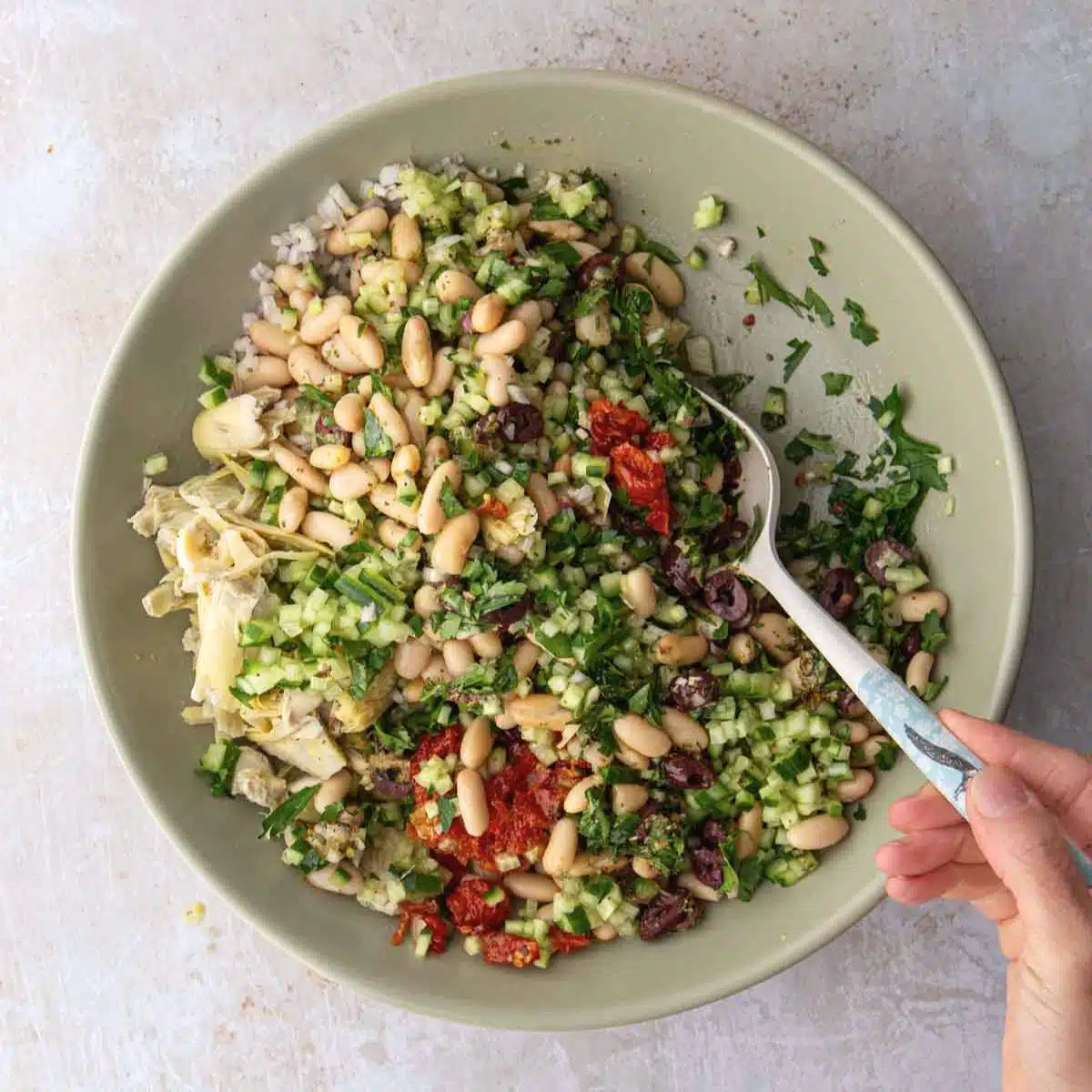
My chickpea and spinach curry, white bean salad and butter bean soup soup are reader favourites, while black bean brownies are a sweet and fun way to use beans.
Soy Foods
Soy is one of the most protein-rich plant foods available. It is also a "complete" protein, meaning it has all 9 amino acids in adequate amounts.
Examples include:
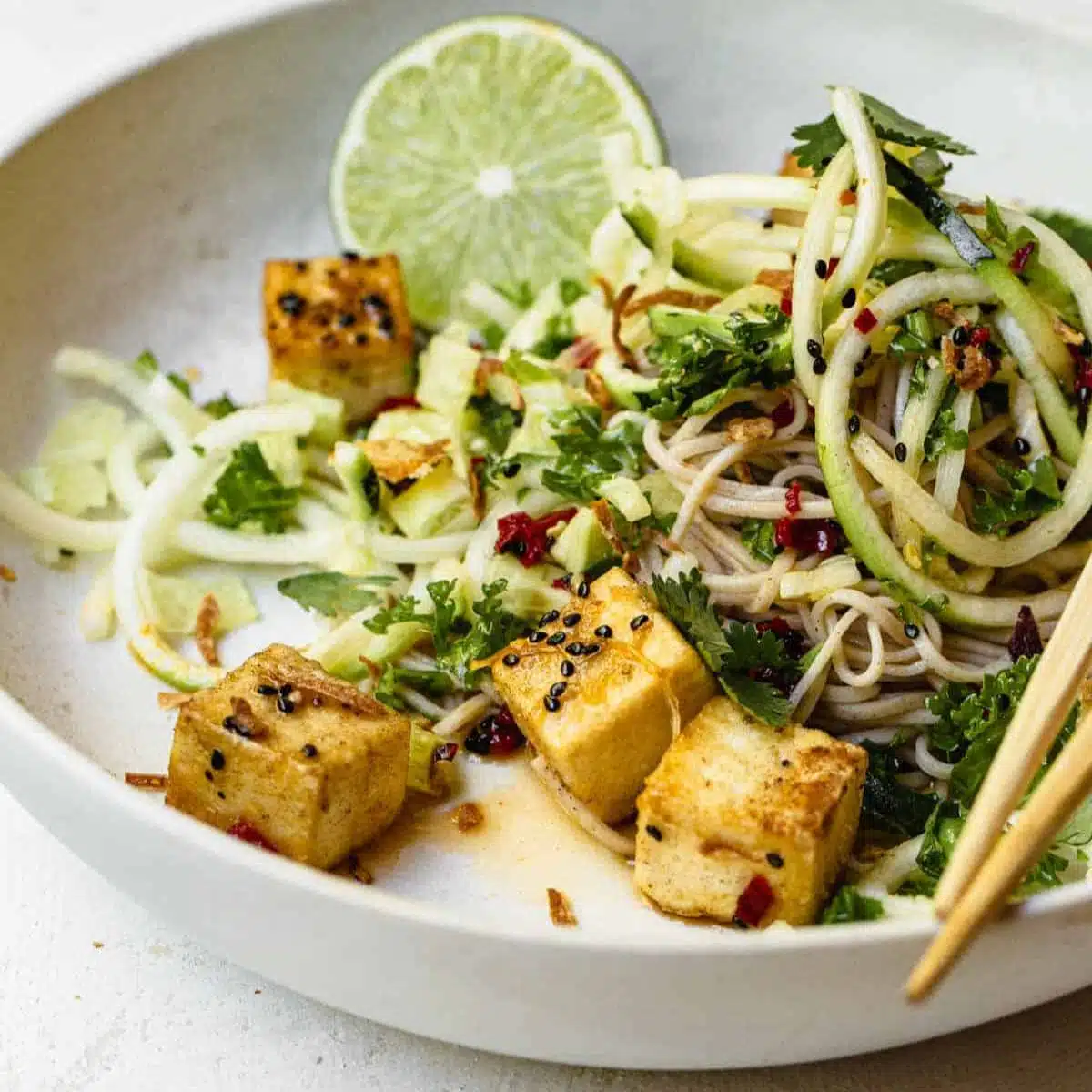
Soy foods provide high-quality protein and are among the easiest ways to boost protein intake on a plant-based diet. Marinated tofu feta is an incredibly simple no-cook recipe, while bao burgers with Peking tempeh lean into delicious Asian flavours. You could start your day with a rich scrambled tofu and finish it with either Sri Lankan-style tofu curry or a lemongrass tofu salad followed by silken tofu mousse. Try the mousse. Trust me.
Whole Grains
While grains are not typically thought of as protein foods but they can contribute significantly to daily protein intake. Serving a whole-wheat pita bread with a curry gives the protein level a nice little bump - that's how I treat whole grains when thinking about protein, a nice bump.
Good options include:
Cooking with whole grains is a simple way to increase protein intake. Try whole wheat flour in whole wheat pancakes or pumpkin muffins. Or you can add apple peanut butter overnight oats or maple almond granola to your breakfast rotation.
If you haven't cooked with buckwheat, try pea and mint buckwheat risotto.
Nuts and Seeds
Nuts and seeds provide protein alongside healthy fats and important minerals.
Great choices include:
They're an easy addition to breakfasts, snacks, salads, and smoothies.
Strawberry chia pudding and peanut butter caramel sauce are sweet ways to introduce chia seeds and leverage the protein in peanut butter. Still rocking a sweet vibe, black bean brownies with tahini provide protein from legumes, sunflower and sesame seeds.
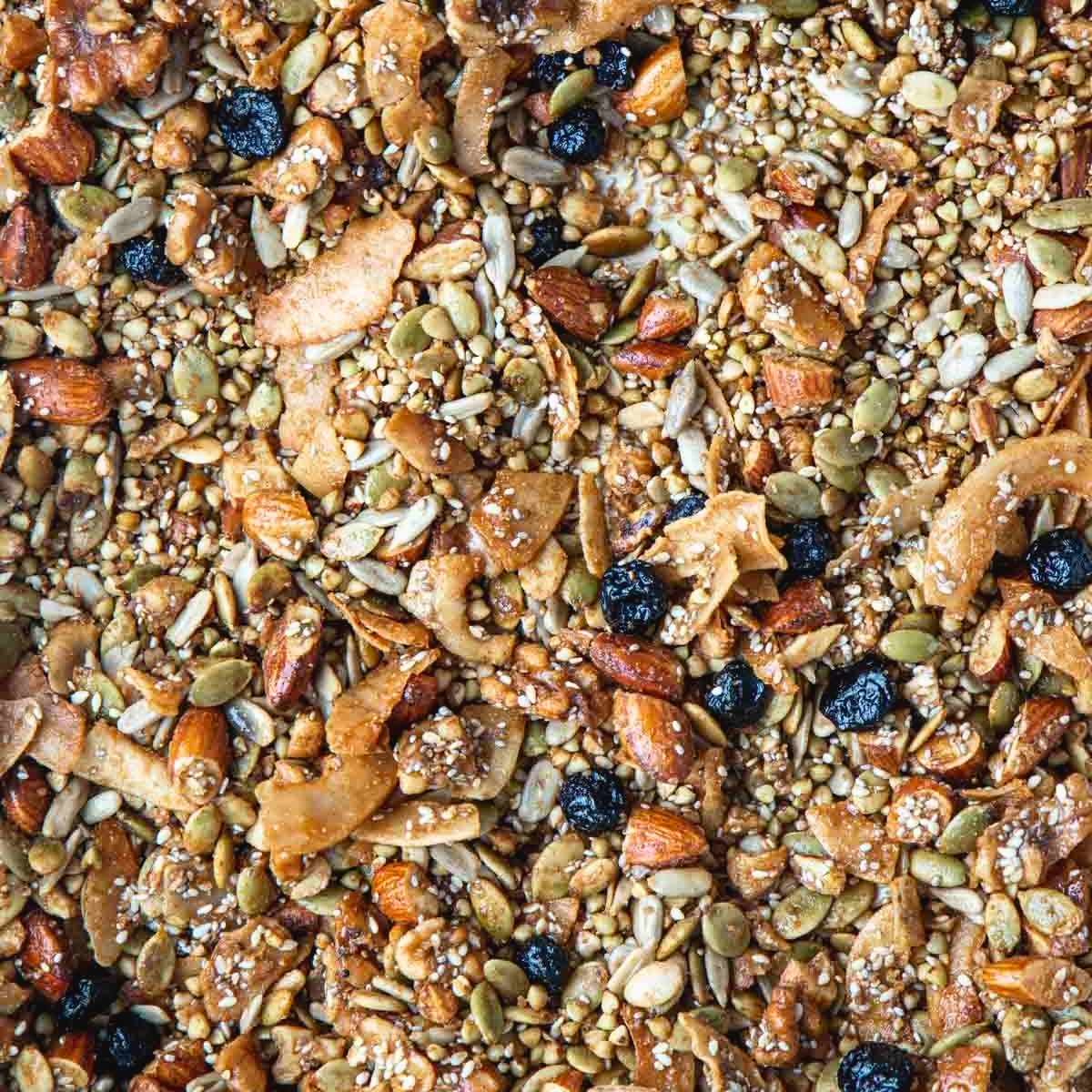
Start your day with Gluten-free (grain-free) granola and a kimchi salad with noodles comes together for a quick 10-minute lunch.
I use Cronometer to calculate nutritional values here. (not sponsored)
Do You Need to Combine Proteins?
You've probably heard that vegans need to carefully combine foods at every meal to create "complete proteins." Fortunately, that's an outdated idea.
As long as you eat a variety of plant foods throughout the day, your body has access to all the essential amino acids it needs.
Put it Into Practice
Here are some simple ways to build more protein into your day:
Breakfast
Lunch
Dinner
Snacks
Plant-protein Hacks
The Bottom Line
At My Goodness Kitchen we use a combination of beans, lentils, tofu, tempeh, whole grains, seitan, nuts, and seeds to meet protein needs while also providing fibre, vitamins, minerals, and other beneficial nutrients
Rather than focusing on a single "perfect" protein source, aim for a variety of plant foods across the day. Consistency, balance, and variety matter far more than chasing protein numbers at every meal. And if you need to boost with protein powders once in a while, go ahead. I do. We even have our favourite protein water.
With a little planning, a plant-based diet can provide all the protein most people need while supporting overall health and wellbeing.
FAQs
Recent literature suggests that when sourced from diverse foods and consumed in sufficient quantities, plant-based proteins can effectively support muscle protein synthesis and promote strength development.
Protein powder is an efficient way to support protein intake goals. While they aren't necessary with a complete and varied diet, they can be helpful if you don't consume enough food each day.
Plant protein is different to animal protein. While animal protein is considered complete, some plant protein contains certain essential amino acids in less than sufficient amounts. However, we don't usually eat single sources of food, we eat a combination of foods to make a meal and plant protein is abundance in a varied diet. Also plant sources contain fibre and nutrients that animal sources don't.
Yes, research suggests older adults increase protein intake (1.0 -1.2g/kg of body weight and >1.2g/kg for active people) and undertake resistance exercise to build and sustain muscle and reduce the risk of sarcopenia - aged related muscle loss. Individuals with kidney concerns should not increase protein intake without consulting with a specialist.
References and Additional Reading
Determinants of Amino Acid Bioavailability
Associations Between National Plant-based vs Animal Based Protein Supplies
The Impact of Plant-Based Proteins on Muscle Mass and Strength Performance: A Comprehensive Review (paid access to article)


Comments
No Comments