
OK team, we've talked about protein and we've talked about fibre. Today, we're talking about iron. While the Internet is fixated on protein - honestly, enough already - inadequate iron intake is common, particularly among menstruating women.
In this article we'll cover haeme and non-haeme iron, how much you might need, ways to improve iron absorption and we'll talk about some easy ways to increase your intake without too much fuss. We love our nutrition fuss-free around here.

Why is Iron Intake Important?
Iron is an essential nutrient, vital for transporting oxygen around the body and assisting in energy production. Most of your body's iron is found in haemoglobin which is responsible for transporting oxygen to tissues around the body.
The body cannot produce its own iron, so we need to get it from dietary intake.
Nutritionist's note: While I have a Grad Diploma in Human Nutrition, this article is for general educational purposes and isn't intended as personal medical or dietary advice. Everyone's health needs are different, so speak with your healthcare professional before making significant dietary changes.
What are the Current Recommendations for Iron Intake?
The Australian Recommended Dietary Intake (RDI) for iron is 8 mg per day for adult men, 15 mg per day for girls aged 14 - 18 years, and 18 mg per day for women aged 19 - 50 years. For women aged 51 and over, the RDI is 8 mg per day.
It's worth noting that the Australian recommendations make an assumption about menstruation when setting the RDI for girls. They assume girls under 14 years do not menstruate and girls aged 14 years and over do. This means the recommendations don't provide a separate RDI for girls who begin menstruating before 14. This is a limitation of the current RDI.
Iron requirements vary with age, sex and life stage. You can find the RDI for different age groups and life stages in the Nutrient Reference Values for Iron.
Haeme vs. Non-Haeme Iron: The Quick Science
Not all iron is the same and this is where it can get confusing. So here is the quick science.
HAeme iron
Found in animal foods, haeme iron is generally absorbed more efficiently than non-haeme iron, and its absorption is less affected by other foods in the meal.
That's OK, us plant-based eaters can still get enough iron. We just need to be a little more intentional about it.
Non-HAeme Iron
Found in plant foods such as beans, lentils, tofu, whole grains, nuts, seeds and leafy greens, non-haeme iron is absorbed by the body, but the amount absorbed varies depending on the overall meal and your iron status.
Since non-haeme iron is less consistently absorbed, the current recommendations suggest that vegetarians and vegans may need around 1.8 times more dietary iron than people eating a mixed diet. This figure is based on older research and the evidence for the exact size of the adjustment is limited. It is, however, the current recommendation.
Some people have higher iron needs than others, so it's worth paying particular attention to your iron intake and status if you're at increased risk of deficiency.
Not sure how to get enough fibre or protein in your diet? Read my complete guide to all things fibre to help increase your fibre intake gently. Or jump over to my plant-based protein guide to dispel the myths and improve protein intake simply.
Iron Bioavailability
How to Improve Non-Haeme Iron Absorption
When we talk about iron bioavailability, we're talking about how much of the iron in food is absorbed and available for your body to use. With non-haeme iron, this can vary quite a bit depending on the food, the rest of your meal and your body's iron status.
The good news is that you don't need to micromanage every meal, but knowing a few simple food combinations can help your body absorb more of the iron in your diet.
Add vitamin C
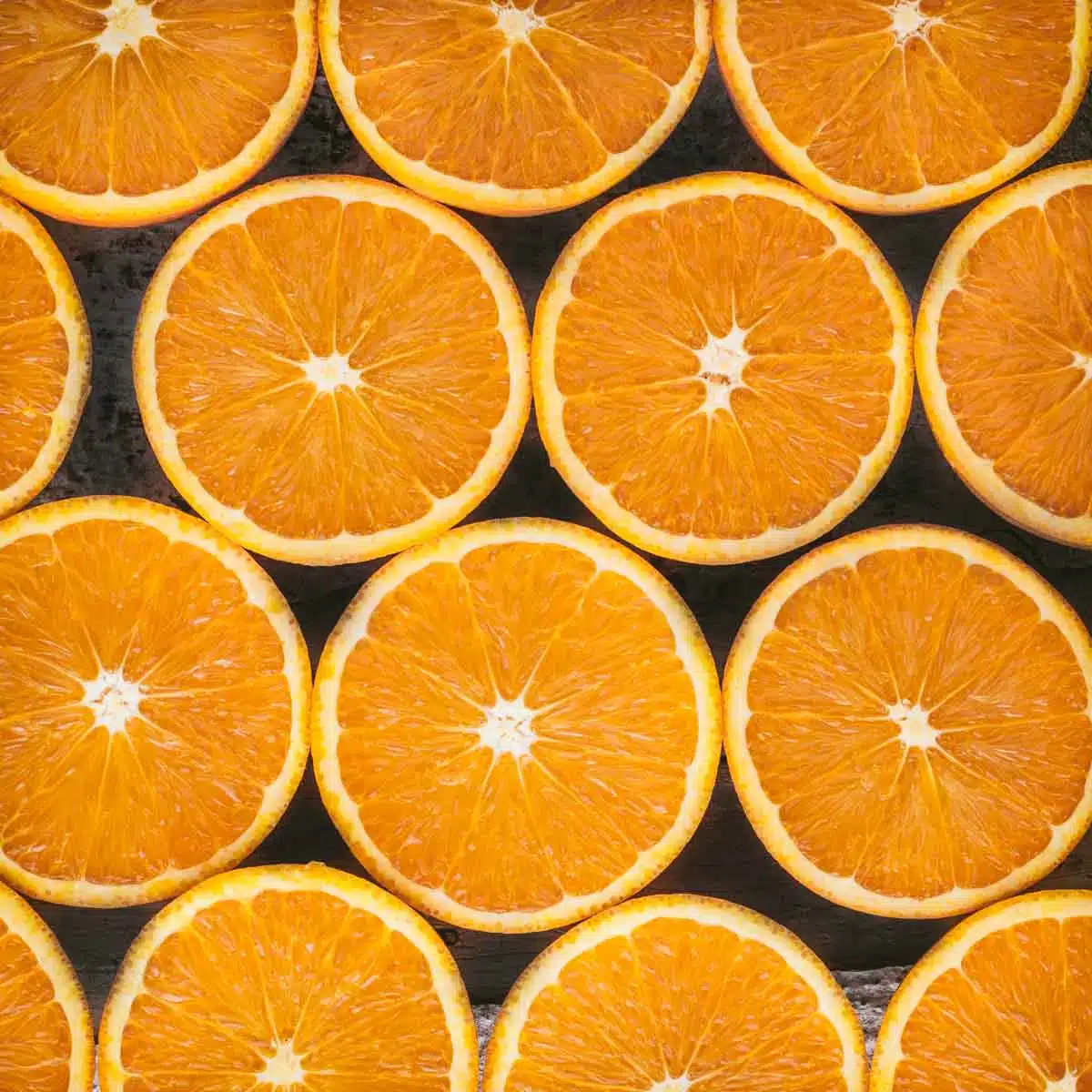
Vitamin C is a well-established dietary enhancer of non-haeme iron absorption. Including a source of vitamin C alongside an iron-containing meal can increase the amount of iron your body absorbs.
Think beans with tomatoes, lentils with capsicum, tofu with broccoli, or a squeeze of lemon over your favourite legume-based dish.
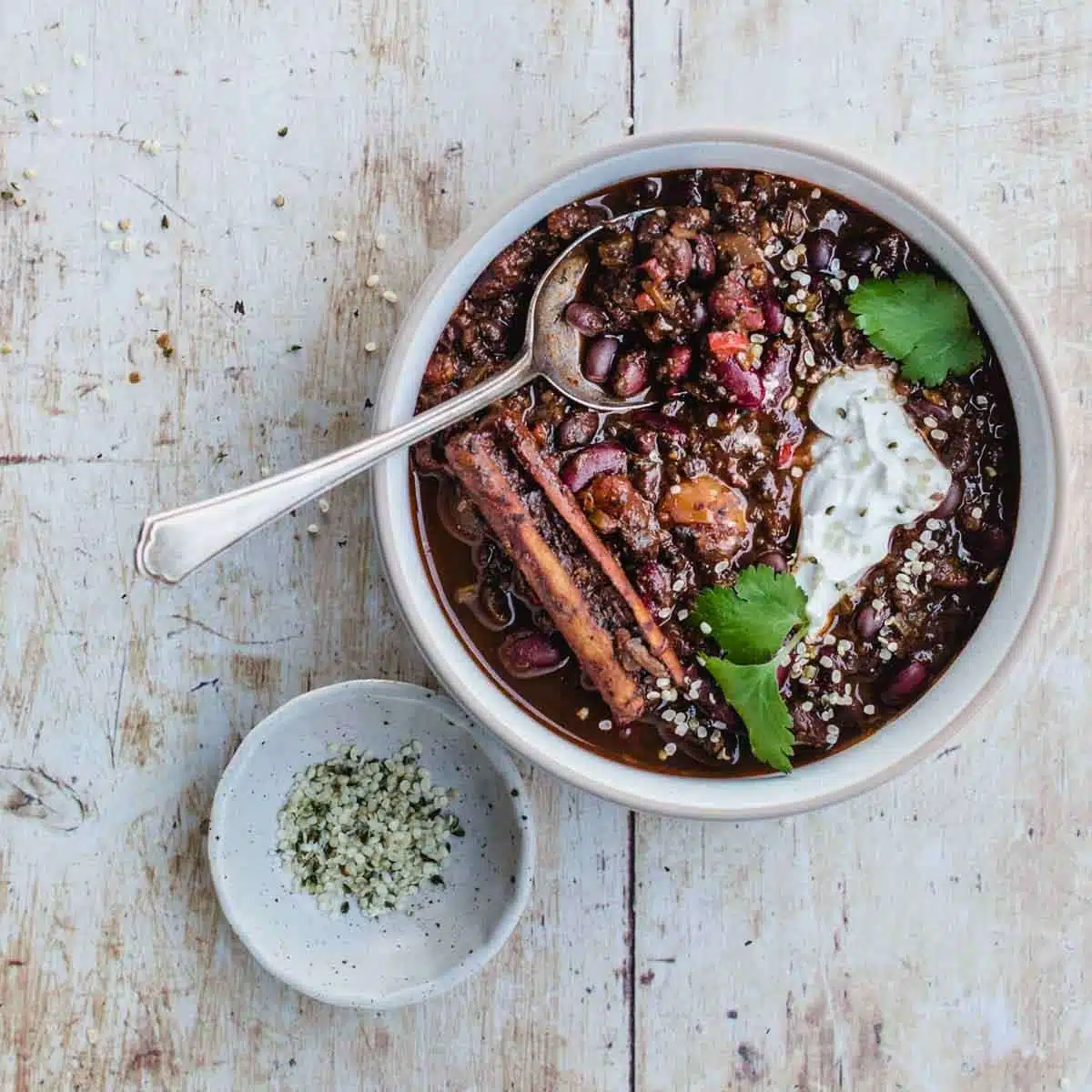
This is where plant-based eating is useful - many of the foods that provide vitamin C are foods we naturally add to plant-based meals. Tomatoes work together with chickpeas and spinach in my chickpea curry and with beans in a chilli sin carne.
phytates Aren't the Enemy
You may have heard about phytic acid or phytates. They are naturally occurring compounds found in foods including legumes, whole grains and seeds. They can reduce non-haeme absorption, but that doesn't mean you should avoid these foods. In fact, many phytate-containing foods are excellent sources of iron, fibre and other nutrients.
Food preparation methods such as soaking, sprouting and fermentation can reduce phytate levels, and vitamin C can help counter some of the inhibitory effect.
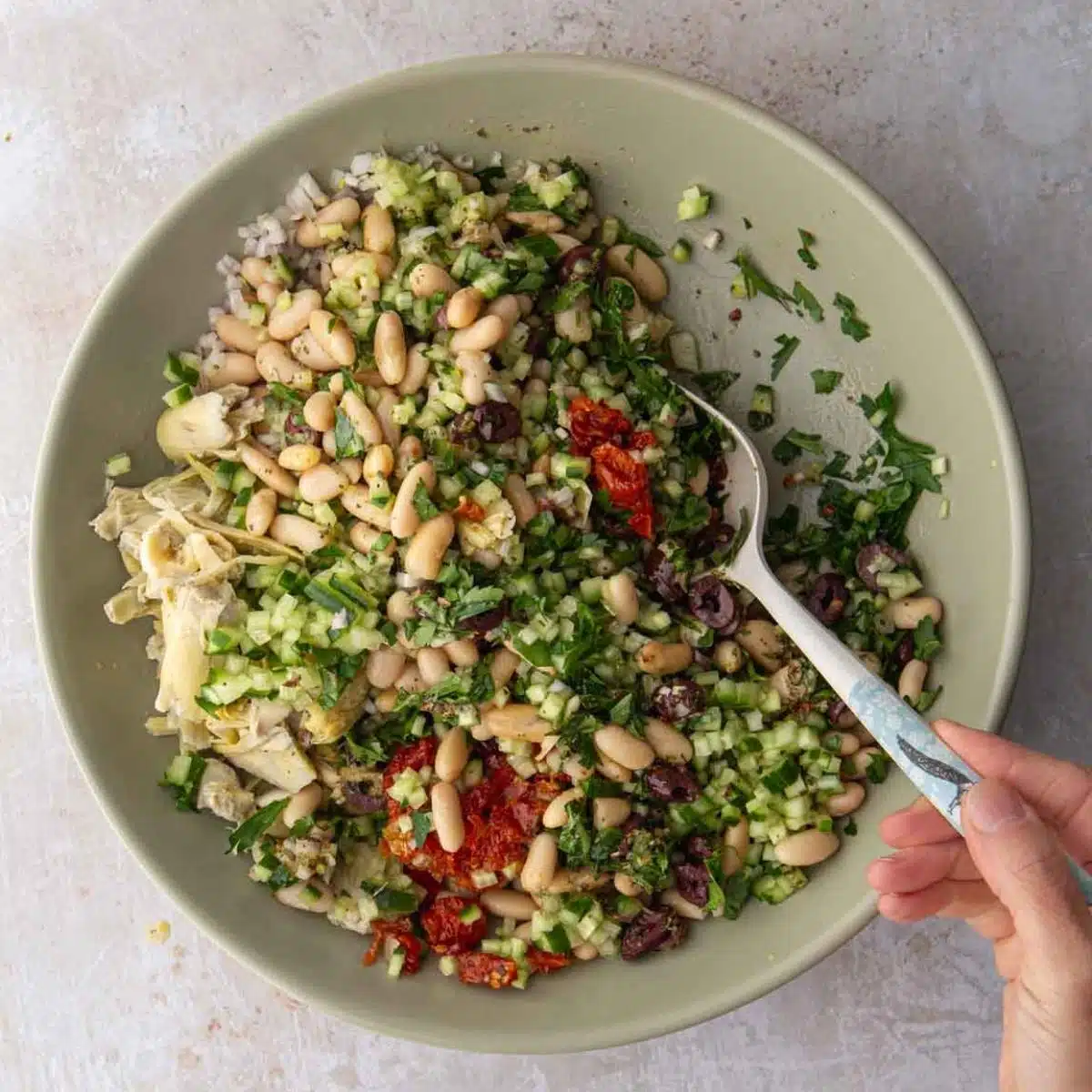
So no, you don't need to abandon your lentils because they contain phytates. Step away from that bin. Use them to make kale and quinoa salad with lentils which contains around 6 mg of iron per serve. Or pair tomatoes and lentils in a red lentil masala curry. My white bean salad is another easy source of iron, providing around 8 mg per serve, made with white beans and sun-dried tomatoes.
Tea and Coffee
I will preface this by saying, you do not need to quit coffee - I would never suggest you do something I couldn't do.
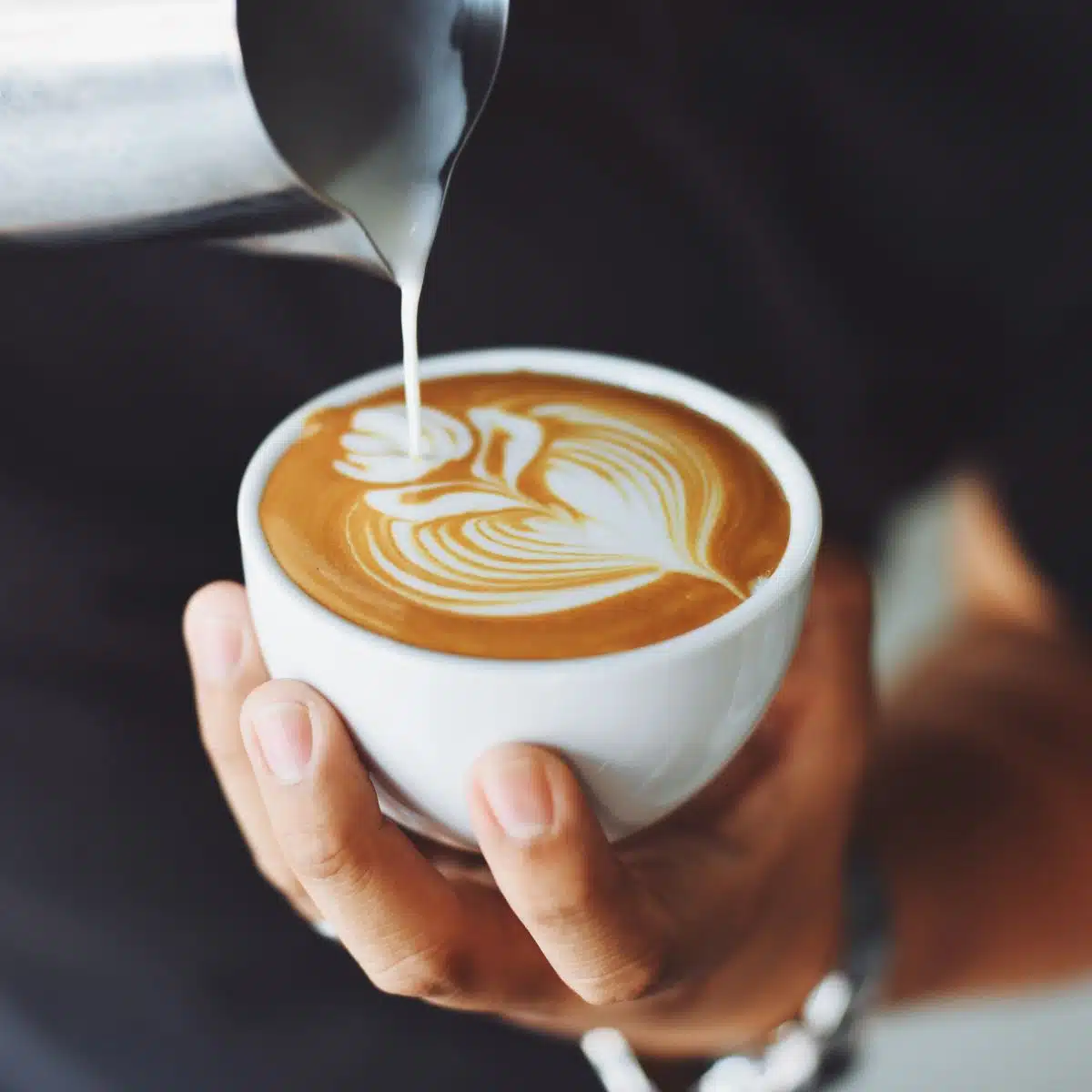
All I want you to be aware of, is that tea and coffee contain polyphenols that can reduce non-haeme iron absorption when consumed with a meal. If you're concerned about your iron intake or iron status, having tea or coffee between meals rather than alongside your main iron-containing meals may be helpful.
I repeat, you don't need to give up your morning coffee. Stand down.
What about calcium?
Calcium can also reduce iron absorption, and unlike other dietary inhibitors, it can affect the absorption of both haeme and non-haeme iron. However, the effect is variable and appears to depend on the amount of calcium consumed and your overall meal. Short-term studies suggest that calcium can inhibit iron absorption, but the effect appears less consistent when iron absorption is assessed across the whole diet rather than a single meal.
What does this mean? It means you don't need to avoid calcium while trying to increase your iron intake. Calcium is an essential nutrient, and foods such as calcium-fortified plant milks, calcium-set tofu and tahini can make an important contribution to a plant-based diet.
If you're focused on your iron intake or status, it may be worth avoiding large amounts of calcium alongside your most iron-heavy meals. The same goes for supplements - if you're taking both iron and calcium supplements, taking them at different times may help maximise iron absorption.
Let's Talk Supplements
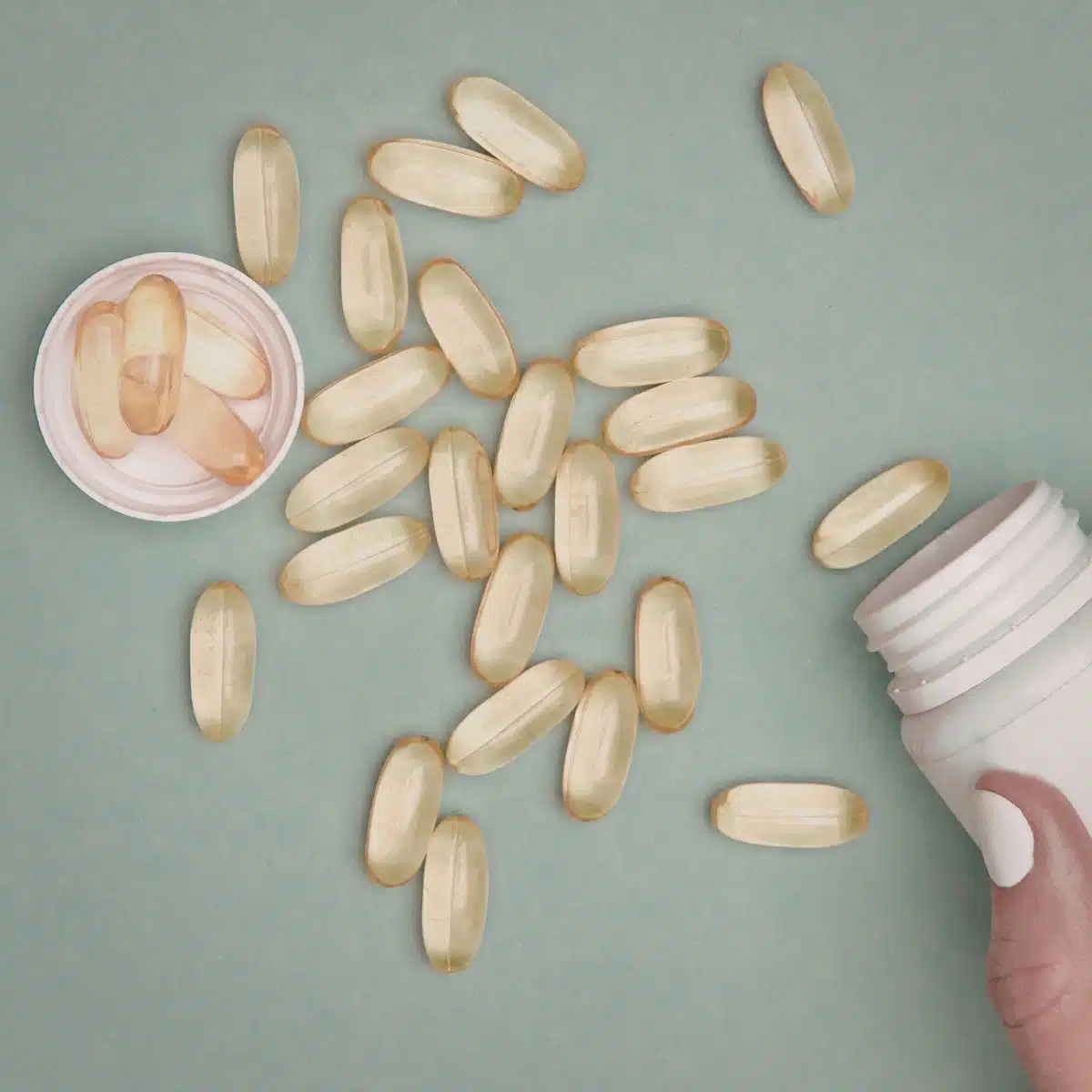
A well-planned diet can provide adequate iron, but there are times when an iron supplement may be appropriate. If you're concerned about your iron intake, have symptoms that could be associated with iron deficiency, or belong to a group at higher risk, it's worth discussing your iron status with your doctor or dietitian rather than simply starting a supplement.
Iron status is assessed using blood tests called an iron panel, and supplementation should be guided by your individual needs. More isn't necessarily better when it comes to iron, and taking high-dose iron when you don't need it can cause side effects and, in excessive amounts, be harmful.
If you are taking an iron supplement, timing can matter. As mentioned, calcium can reduce iron absorption, so it's generally advisable to avoid taking an iron supplement at the same time as a calcium supplement.
Tea and coffee can also reduce non-haeme iron absorption, so taking your iron supplement away from these beverages may be helpful.
Vitamin C can enhance non-haeme iron absorption from food, however, research suggests that routinely adding vitamin C to oral iron treatment provides little additional benefit for most people.
And one final point - iron supplements aren't a substitute for a nutritious diet. If your diet is consistently low in iron, it's worth looking at the foods you're eating as well as whether supplementation is appropriate.
Cast Iron Pans and Iron Absorption
You've probably heard that cooking in cast-iron cookware can increase the iron content in food. There is some science behind this, but the evidence is inconsistent.
Iron can leach from the cookware into food, particularly with acidic foods and longer cooking times. However, whether this translates into meaningful improvements in iron status is less clear, with studies producing mixed results.
So, by all means cook your lentil curry in cast iron if you have one. Just don't run out to buy a pan expecting it to fix your iron intake. The curry will do a better job of that.
Practical Ways to Get More Iron
You don't need to overhaul your diet to get more iron. A few simple additions can make a difference over the course of the day.
Some useful plant-based sources of iron include:
Without too much fuss, a serving of Weetbix (30g) provides around 4 mg of iron while my toasted sesame granola delivers the same. A simple and rustic bowl of Swiss Chard and Pimentón Stew with Lentils provides around 11 mg of iron per serve, while combining tomato and chickpeas with spinach provides around 7 mg in Marry Me chickpeas.
Add lentils to a curry, chickpeas to a salad, tofu to a stir-fry, seeds to your breakfast or beans to a tomato-based pasta sauce. Then, where you can, add a source of vitamin C to the meal to help with iron absorption.
For a more comprehensive list of iron-containing foods and practical advice, see the Dietitians Australia guide to dietary iron.
What This Means for You
Iron absorption isn't about getting every meal "perfect". Your body is constantly adjusting iron absorption according to its needs, and the overall composition of diet matters more than obsessing over individual ingredients.
For plant-based eaters, the practical takeaway is simple:
And, thankfully, this is much easier than it sounds.


Comments
No Comments