
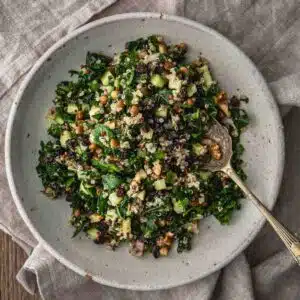
If you've ever had a kale salad that felt like a chore to chew, I got you. I've been making variations of this salad for years, and this is the version I keep coming back to. The kale is tender, the perfectly cooked quinoa and lentils make it hearty enough for lunch, and the cucumber, currants and punchy shallot dressing give it plenty of texture and flavour. It's simple, satisfying and holds up beautifully in the fridge, which is exactly what I want from a salad.
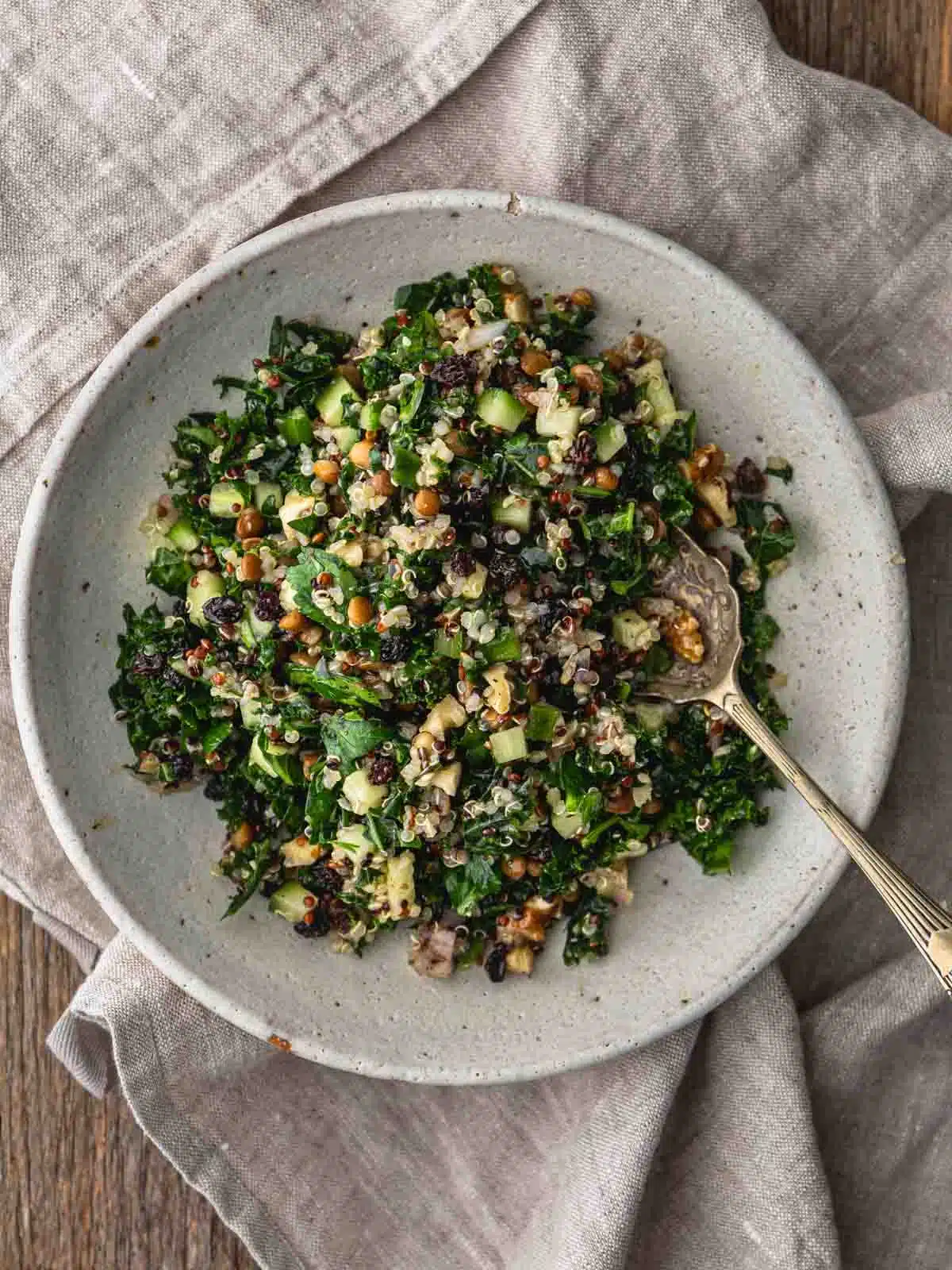
Why You'll Love This this Kale and Quinoa Salad
Salad Ingredients
For the Punchy Dressing
French shallot (or quarter red onion): Sitting the shallot in the vinegar for a few minutes helps temper the onion-y bite but we still get the vibe.
Garlic: Just one clove, minced, for depth and flavour. It's going to take a dip in the vinegar for a minute too.
Red wine vinegar & maple syrup. A simple sweet-and-tangy combination that gives the dressing plenty of punch.
Olive oil. The smooth, rich base of our vinaigrette.
Dijon mustard. Adds a little sharpness and helps bring the dressing together.
Za'atar spice (or ground cumin). My secret weapon. Za'atar adds a gorgeous herby, earthy flavour, but cumin works beautifully too if that's what you have.
Salt. Just a pinch to bring all the flavours forward.
For the Salad Base
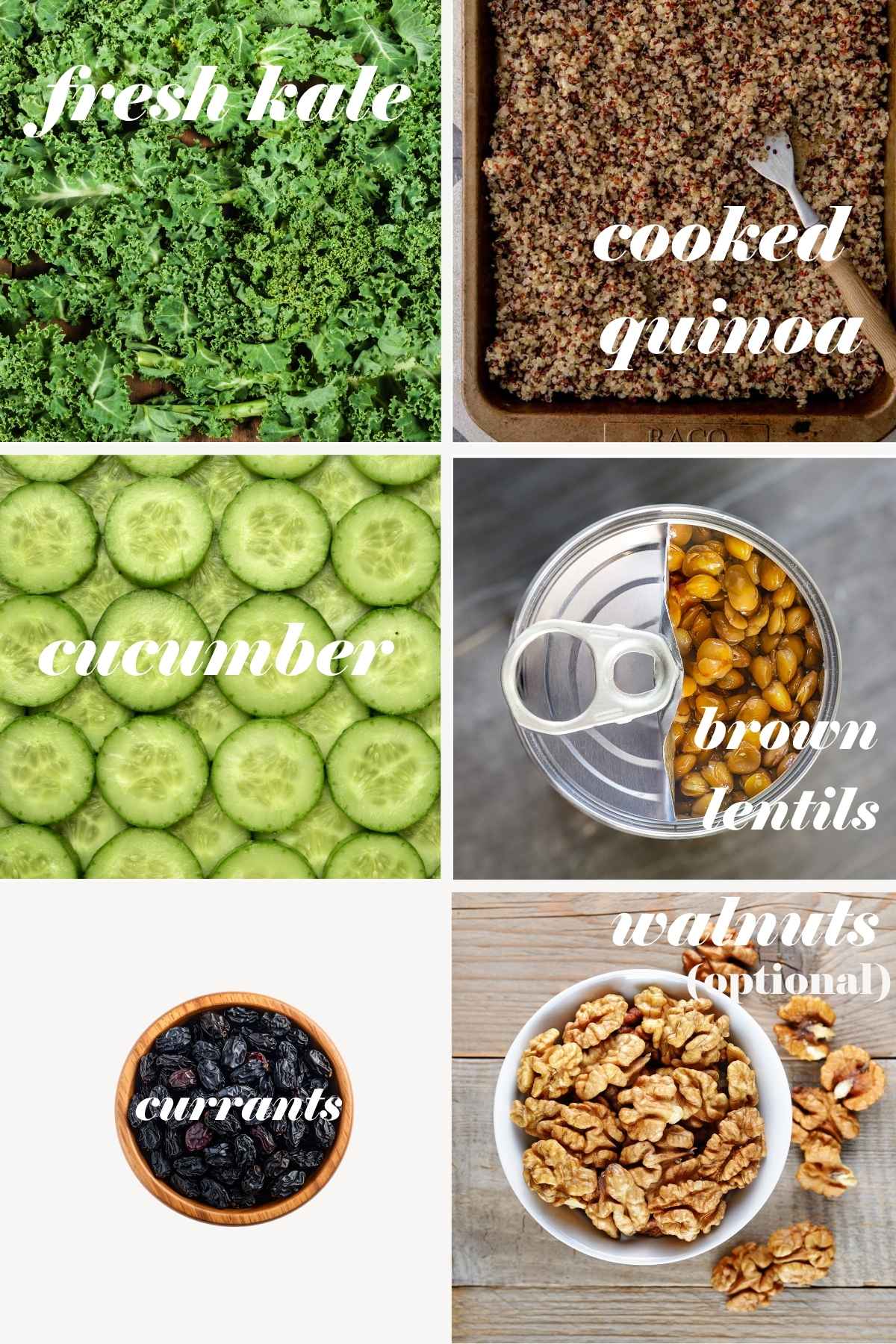
Kale (Curly or Tuscan) The star of the show. Strip the leaves from the tough stems and give them a good wash before chopping.
Cooked quinoa & cooked brown lentils: Lentils and quinoa provide protein, fibre and delicious earthy flavours. I've made this salad with chickpeas and white beans and, yep - still delicious.
Cucumber. Cubed for a refreshing, cool crunch. You can use Lebanese cucumber, but I often just use good ol English cucumber.
Dried currants. Little pops of sweetness that balance the savoury dressing. Raisins or dried cranberries work too.
Flat-leaf parsley: Freshly chopped to lift the entire salad with a bright, herbaceous finish.
Walnuts. Chopped walnuts add crunch to this salad. You could also add pumpkin seeds for a nut-free salad.
Recipe Tips & Substitutions
How to Meal Prep This Salad. Because kale is a hearty cruciferous vegetable, this salad doesn't get soggy. Store it in an airtight container in the refrigerator for up to 4 days. It actually tastes better on day two!
Additional dressing. Quinoa can be a little thirsty, absorbing a hefty amount of the dressing. After refrigerating, I often add a little swirl of balsamic vinegar or pomegranate molasses to refresh it. Or you could simply, make a double batch of the dressing and keep it for later serves.
Za'atar substitutes: If you don't have za'atar spice blend, substitute an equal amount of ground cumin, or a mix of dried thyme and toasted sesame seeds.
Currant Substitutes: If you don't have dried currants, dried cranberries (craisins) or chopped raisins provide the same sweet contrast to the savory lentils.
Protein boost: To add even more protein to this vegan salad, top it with roasted chickpeas, hemp seeds, or grilled tofu. This salad also goes great with my marinated tofu feta.
Why Do We Massage Kale? Science Incoming
If you've ever found raw kale tough or chewy, this is the trick.
Massaging kale with a little dressing helps break down some of the structure that makes raw kale so firm. The combination of the mechanical action from your hands and the oil and acid in the dressing softens the leaves, making them more tender and easier to eat.
As you massage, you'll notice the kale becomes darker green, softer and smaller in volume. That's because the leaves are losing some of their rigid structure and the tiny air spaces within them are being compressed.
You don't need to go overboard. A minute or two is enough to transform the texture without turning the kale limp.
Dang, science is delicious.
How to Make a Simple Kale and Quinoa Salad
You'll find full instructions and measurements in the recipe card at the bottom of the post.
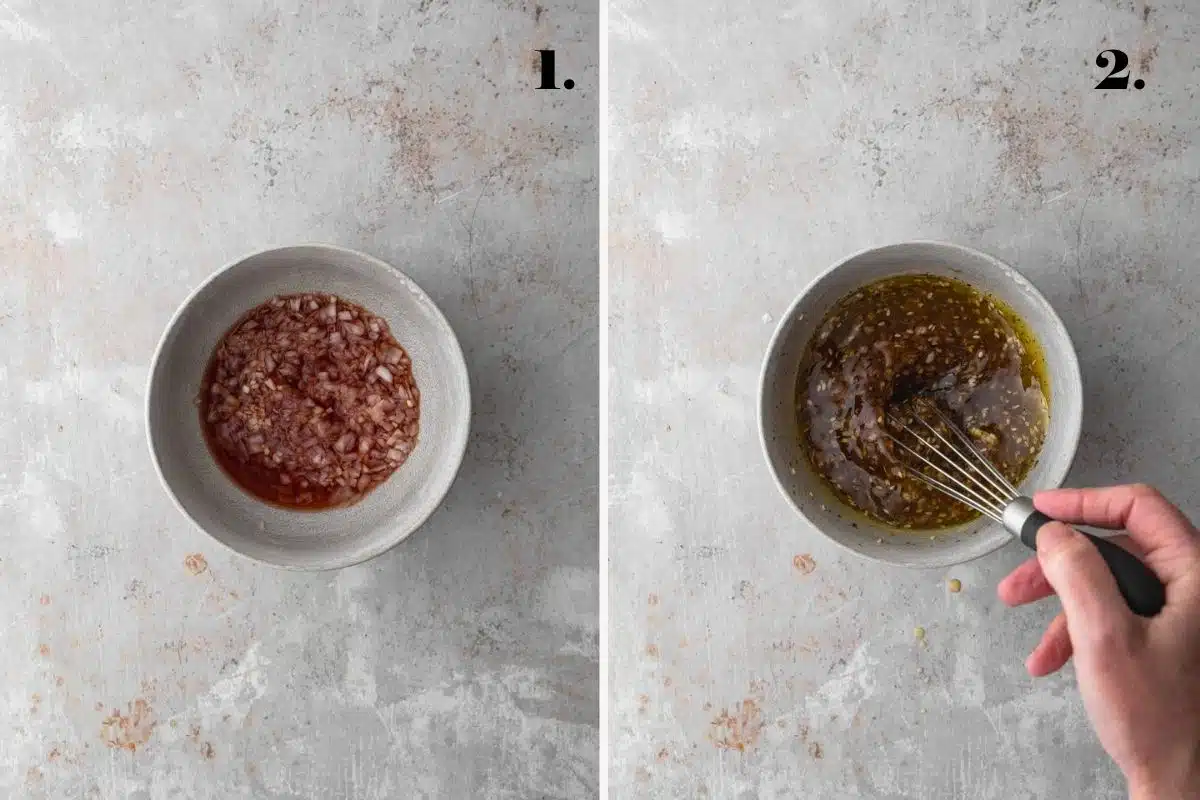
Step 1. Soak the onions and garlic in acid
In a small-ish bowl, add finely chopped shallot and garlic to the red wine vinegar and sit for a few minutes. While you're waiting, go ahead and chop your washed kale.
Step 2. Whisk the dressing
Add the remaining dressing ingredients and whisk to combine and emulsify.
Step 3. Massage the kale
Crucial step for a tender texture
Add the chopped kale directly into the bowl with with a few spoons of the dressing. Using clean hands (or gloved hands if your skin is a little sensitive), firmly massage the kale leaves for 1 to 2 minutes. You will see the leaves turn dark green, soften, and reduce in volume.
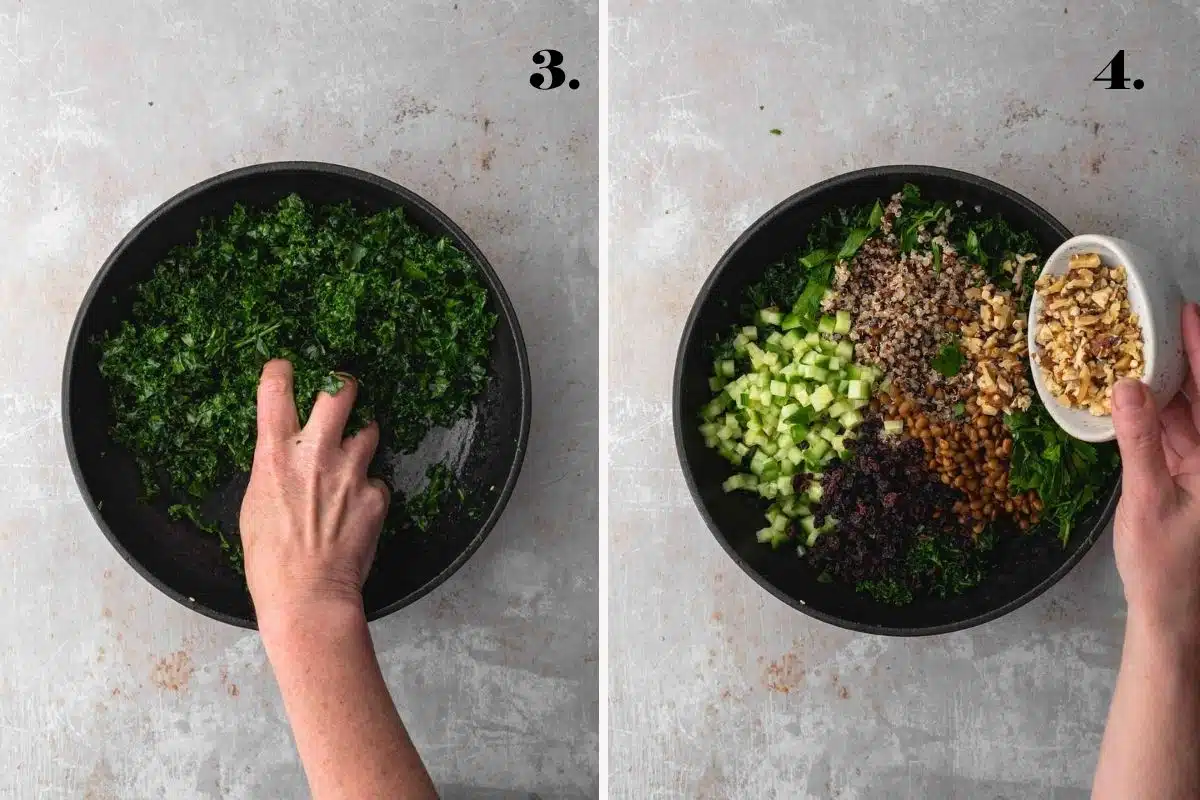
Step 4. Toss and combine
Add the remaining ingredients.
Fold the quinoa, lentils, cubed cucumber, dried currants, chopped flat-leaf parsley and walnuts (optional) into the bowl. Add the remaining dressing and toss thoroughly until all ingredients are evenly coated in the dressing.
Let the salad sit at room temperature for around 10-minutes before serving. This allows the quinoa and lentils to absorb the punchy shallot vinaigrette.
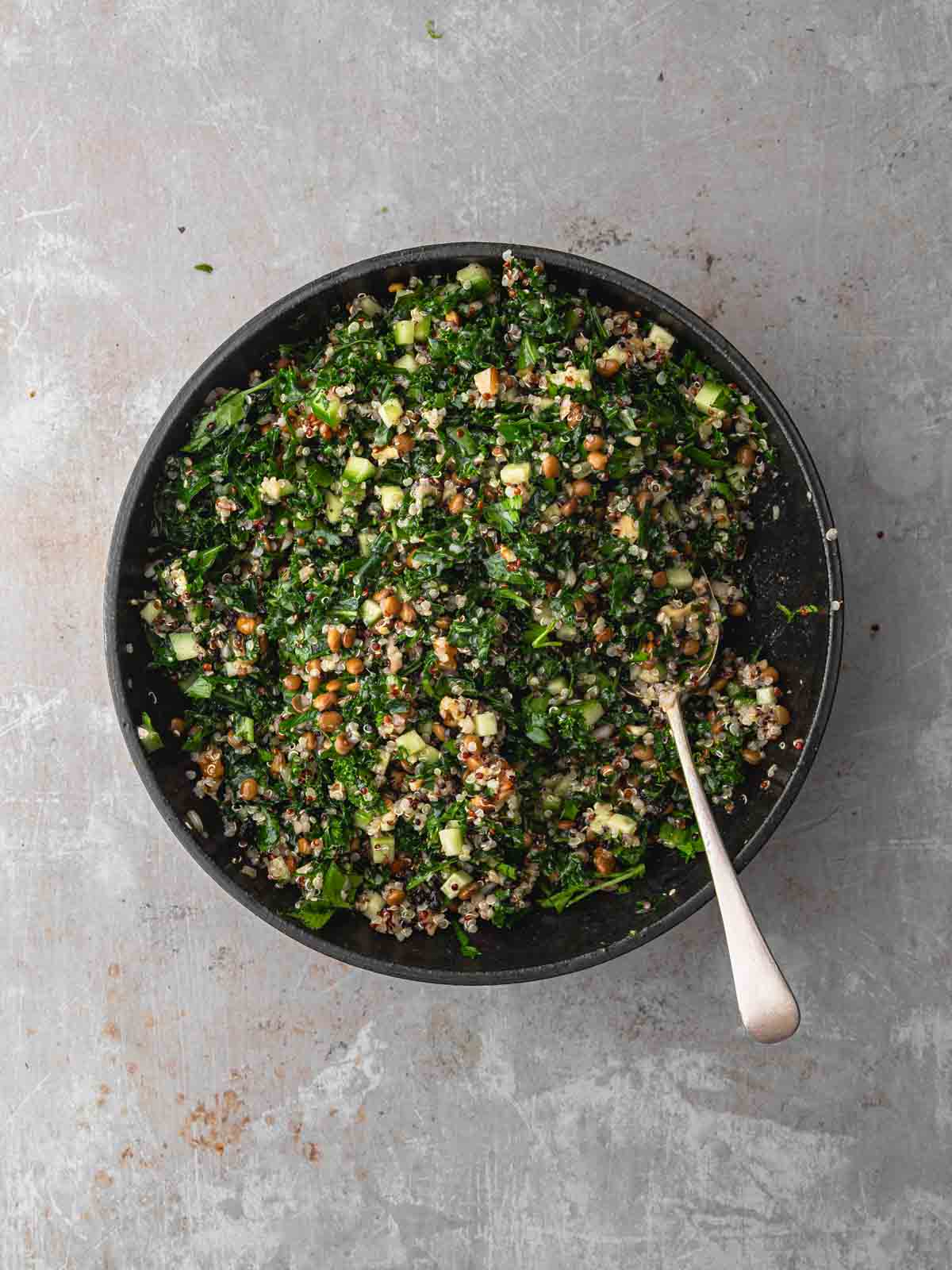
Storage
Store this salad in the fridge in a sealed container for up to 4-days.
FAQs
While you don't have to, massaging the kale breaks down the tough plant fibres. It makes the salad much easier to chew and digest, and eliminates any bitter flavour.
Yes! Adding walnuts to this salad is optional and you can swap them for pumpkin seeds. This recipe is naturally gluten-free, dairy-free, vegan, and soy-free, making it perfect for meal shares and gatherings.
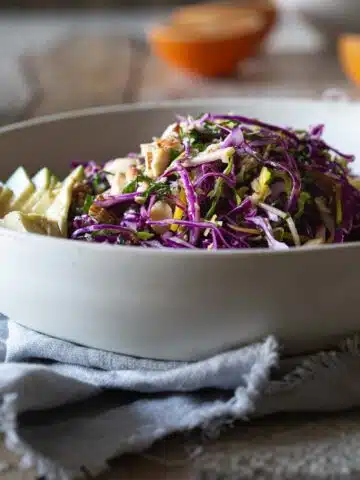
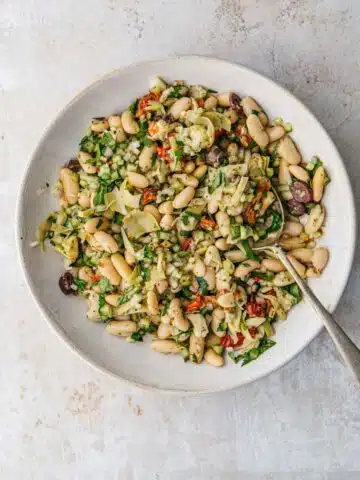
More Salads and Light Meals, Please.


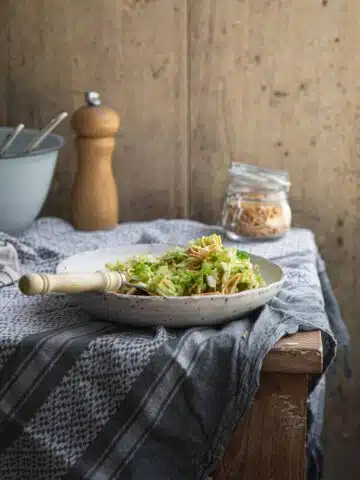
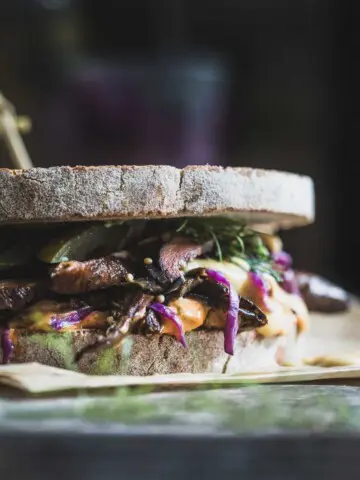
Sign up to my newsletter and follow along on Facebook, Pinterest and Insta for all the latest news. If you like this recipe, please check out my cookbook "Great Vegan Meals for the Carnivorous Family" It's full of simple, carnivore-approved family recipes.
Make This Recipe
Kale and Quinoa Salad with Lentils
Equipment
- 1 large bowl
- 1 small bowl
- 1 chef's knife
Ingredients
For the Dressing
- 1 French shallot or ½ small red onion, finely diced
- 1 garlic clove peeled and minced
- 2½ tablespoon red wine vinegar
- 1 tablespoon maple syrup
- 6 tbsp olive oil
- 1 teaspoon Dijon mustard
- pinch salt
- 1 teaspoon zaatar spice or ground cumin
For the salad
- 3 cups kale curly or Tuscan
- 1½ cup cooked quinoa
- 1 cup brown lentils cooked (canned)
- 1 cup cucumber cubed
- ⅓ cup dried currants
- 1 cup flat-leaf parsley washed and chopped
- ¼ cup walnuts chopped (optional)
Instructions
- Soak the onions and garlic in acid. Add the vinegar to a small bowl and add the shallot and garlic to sit for a few minutes. While you're waiting, go ahead and chop your washed kale.
- Whisk the dressing. Add the remaining dressing ingredients to the bowl and whisk until combined and emulsified.
- Massage the kale (don't skip). Add the chopped kale directly into a salad bowl with a few spoons of the dressing. Using clean hands (or gloved hands if your skin is a little sensitive), firmly massage the kale leaves for 1 to 2 minutes. You will see the leaves turn dark green, soften, and reduce in volume.
- Toss and combine. Add the remaining salad ingredients and fold together. Add the remaining dressing and toss thoroughly until all ingredients are evenly coated in the dressing.Let the salad sit at room temperature for around 10-minutes before serving. This allows the quinoa and lentils to absorb the punchy shallot vinaigrette.
Notes
Nutritional Disclaimer
The nutritional information is an estimate only and is automatically calculated using online tools. For accurate results, we recommend calculating the nutritional information based on the ingredients and brands you use.


Comments
No Comments